


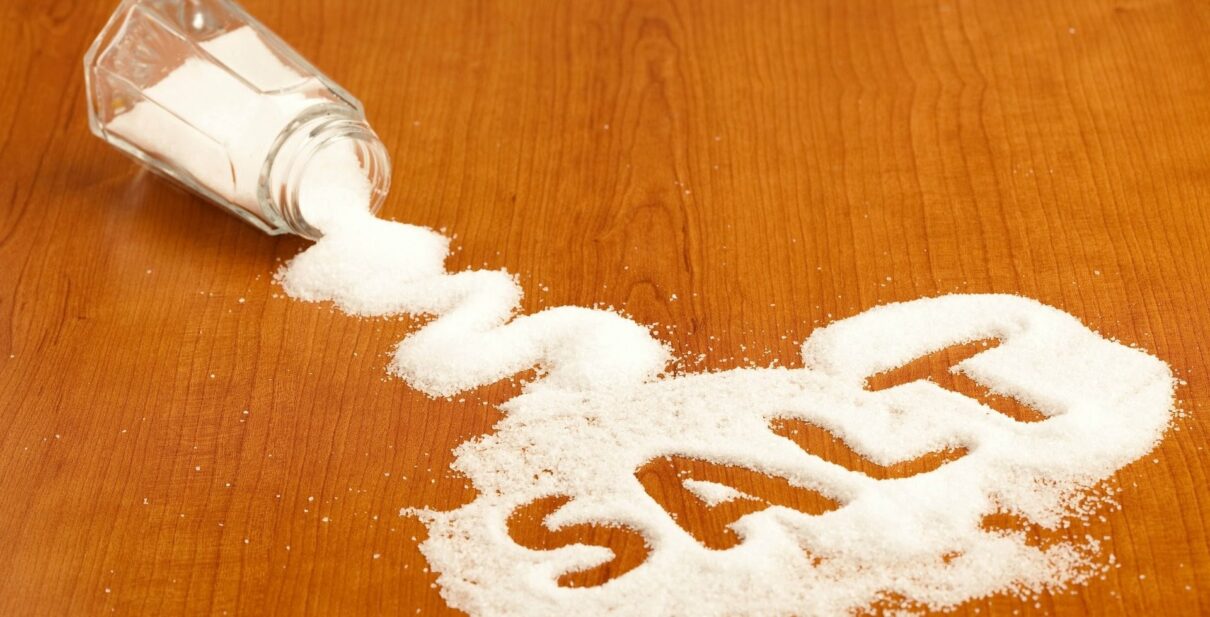
Proper storage practices significantly impact industrial salt quality, shelf life, and usability. Even premium-grade materials can deteriorate when stored incorrectly, leading to caking, contamination, moisture absorption, and quality inconsistencies. Understanding optimal storage conditions and implementing best practices protects your investment and ensures material performance.
This comprehensive guide covers essential storage considerations, common problems, and practical solutions for maintaining industrial salt quality from delivery through consumption.
Environmental Control Fundamentals
Moisture represents the primary enemy of stored salt. Sodium chloride’s hygroscopic nature means it readily absorbs atmospheric moisture, leading to caking, weight gain, and handling difficulties. Maintaining low humidity levels in storage areas is crucial—ideally below 65% relative humidity for most industrial grades.
Temperature fluctuations cause condensation on salt surfaces and packaging, accelerating moisture absorption. Consistent temperatures between 15-25°C work well for most applications. Avoid storing salt near heat sources or in areas with significant temperature swings.
Proper ventilation prevents moisture accumulation while protecting against airborne contamination. However, direct exposure to outside air should be minimized, especially in humid climates. Climate-controlled storage provides optimal conditions but requires investment in environmental control systems.
Facility Design Considerations
Storage facility design significantly influences material quality maintenance. Floors should be sealed and elevated to prevent ground moisture migration. Concrete floors with moisture barriers work well, while dirt or unsealed surfaces allow moisture intrusion.
Roofing must prevent water leaks and minimize solar heat absorption. Insulated roofs reduce temperature fluctuations. Wall construction should provide weather protection while supporting ventilation needs. Sealed joints and proper door seals minimize humidity entry.
Drainage systems prevent water accumulation from spills or leaks. Emergency protocols for water incidents should include procedures for affected material isolation and quality re-evaluation.
Packaging and Container Selection
Original packaging typically provides adequate protection for reasonable storage periods. Heavy-duty bags with moisture barriers protect against humidity while facilitating handling. Multi-wall paper bags with polyethylene liners offer good protection for most industrial grades.
Bulk storage in silos or bins requires proper sealing, ventilation, and inspection access. Silos should include moisture detection systems and regular inspection schedules. Proper loading and unloading procedures prevent material degradation and ensure first-in-first-out inventory rotation.
Opened packages require resealing or transfer to sealed containers. Exposure to ambient air accelerates moisture absorption and contamination risk. Resealable containers or heat-sealing equipment helps maintain partial packages.
Segregation and Organization
Store different salt grades separately to prevent cross-contamination and confusion. Clear labeling with grade, batch number, receipt date, and supplier information supports traceability and proper inventory rotation.
Separate storage areas by quality level—food-grade materials should never share space with industrial-grade materials. Physical barriers and designated handling equipment prevent cross-contamination.
Organize storage to facilitate first-in-first-out consumption, reducing shelf time and quality degradation risk. Older stock should be accessible for priority use while newer deliveries occupy less accessible locations.
Handling and Transfer Practices
Material handling equipment should be clean, dry, and dedicated to salt handling where possible. Contamination from previous materials or moisture on equipment compromises salt quality.
Minimize material transfer and handling—each movement increases dust generation, particle size degradation, and contamination risk. Design material flow to reduce unnecessary transfers.
Proper lifting techniques and mechanical handling equipment prevent package damage. Damaged packages expose salt to environmental conditions and contamination. Replace or repair damaged packaging promptly.
Common Storage Problems and Solutions
Caking results from moisture absorption and crystal bridging. Prevention requires humidity control, proper packaging, and anti-caking agents in salt formulations. Once caked, mechanical breaking may restore flowability, but material performance may be compromised.
Contamination from dust, chemicals, or foreign materials requires segregated storage and good housekeeping. Regular facility cleaning and restricted access minimize contamination risk. Contaminated materials may require disposal depending on severity and application requirements.
Discoloration indicates potential contamination or chemical reactions. Investigate causes immediately and isolate affected materials pending quality evaluation. Yellow or brown tints often suggest organic contamination or rust contact.
Flowability loss beyond normal caking may indicate inappropriate storage conditions or material degradation. Evaluate environmental controls and consider using materials with anti-caking treatments for challenging storage environments.
Inventory Management
Implement inventory tracking systems that record batch numbers, receipt dates, quantity, and location. Regular physical inventory confirms system accuracy and identifies slow-moving stock.
Establish minimum and maximum inventory levels based on consumption rates and lead times. Safety stock prevents production disruptions but excessive inventory increases storage costs and quality degradation risks.
Monitor shelf life and prioritize older stock for consumption. While industrial salt has indefinite shelf life under proper conditions, practical considerations suggest rotating stock to maintain optimal quality.
Regular quality inspections throughout storage periods identify degradation before it impacts operations. Visual inspections check for moisture, caking, discoloration, and package integrity. Periodic laboratory testing verifies that specifications remain within acceptable limits.
Document inspection results and storage conditions for quality investigations and supplier discussions. Trending data helps identify gradual quality changes and storage system effectiveness.
When quality concerns arise, isolate affected material and consult suppliers or quality personnel before use. Using degraded material may impact product quality and cause manufacturing problems.
Effective industrial salt storage requires attention to environmental controls, proper facilities, good handling practices, and regular quality monitoring. While salt is relatively stable, proper storage practices protect your investment and ensure consistent material performance.
Partner with suppliers who understand storage challenges and provide materials with appropriate packaging and formulations for your storage conditions. Combined with sound storage practices, quality materials from reliable suppliers support smooth operations and consistent product quality.
For expert advice on industrial salt storage and quality maintenance, contact our technical team. We help customers optimize storage conditions and select appropriate grades for their specific facilities and applications.